Drive-In / Drive-Through Racking Systems: High-Density Storage for Homogeneous Goods
Quick Facts
Technology Performance Metrics
⭐Key Features
Benefits
Applications
Detailed Information
Technology Overview
Drive-in and drive-through racking systems are specialized storage solutions engineered to address the critical need for maximizing pallet storage density in warehouses. These systems are fundamentally designed for inventory profiles characterized by homogeneity and high volume—specifically, situations where a single Stock Keeping Unit (SKU) occupies many pallets. By allowing forklifts to drive directly into the rack structure to store pallets deep within lanes, these systems drastically reduce the aisle space required by conventional selective racking. This design philosophy enables them to store up to 75% more pallets in the same footprint, making them a powerful tool for optimizing costly warehouse cubic space for the right type of product.
How It Works
Core Principles
The core principle is deep-lane, high-density storage. Multiple pallets of the same product are stored sequentially in a single lane that is accessible from one end (Drive-In, LIFO) or both ends (Drive-Through, FIFO). The system eliminates multiple access aisles, consolidating storage.
Key Features & Capabilities
Exceptional Space Utilization is the standout feature, with the quantified capability to hold up to 75% more pallets than standard systems. Dedicated Lane Storage requires each lane to be assigned to a single SKU to function efficiently. Configurable Access allows choice between LIFO (Drive-In) and FIFO (Drive-Through) workflows based on product shelf-life and rotation needs.
Advantages & Benefits
The paramount benefit is the massive increase in storage density, directly translating to more efficient use of warehouse real estate and potentially huge cost savings. This makes it an ideal solution for homogeneous, high-volume products like beverages, certain packaged foods, or specific raw materials. The system optimizes the building's cubic capacity by storing pallets deep and high.
Implementation Considerations
The most critical consideration is the inventory profile: these systems are inefficient and cumbersome if used for multiple SKUs within a lane due to "honeycombing" and complex retrieval. Product homogeneity per lane is mandatory. The systems offer lower selectivity, meaning accessing a specific pallet in the middle of a full lane is not practical. They require skilled forklift operation within confined spaces.
Use Cases & Applications
Ideal For
This solution is exclusively ideal for warehousing operations with a high number of pallets for a limited number of SKUs, where maximizing storage quantity trumps the need for instant, random access to every pallet.
Conclusion
Drive-in and drive-through racking systems represent the pinnacle of high-density pallet storage for specific, high-volume inventory types. Their ability to increase storage capacity by up to 75% offers a compelling economic argument for facilities struggling with space constraints. However, this high density comes at the cost of flexibility and selectivity. Therefore, their successful implementation hinges entirely on a perfect match with the inventory profile—homogeneous products with deep pallet counts. When applied correctly, they are an unbeatable solution for space optimization.
Related Knowledge
Storage
Storage is the warehouse process of holding inventory in organized locations until needed, balancing space utilization, accessibility, and inventory control to support efficient operations.
Cold Storage Strategy
Cold storage and temperature-controlled warehousing are critical for preserving perishable goods throughout the supply chain. From frozen foods to pharmaceuticals, these specialized facilities maintain precise temperature conditions while optimizing energy efficiency and operational performance.
Vendor
OthersRelated Technologies
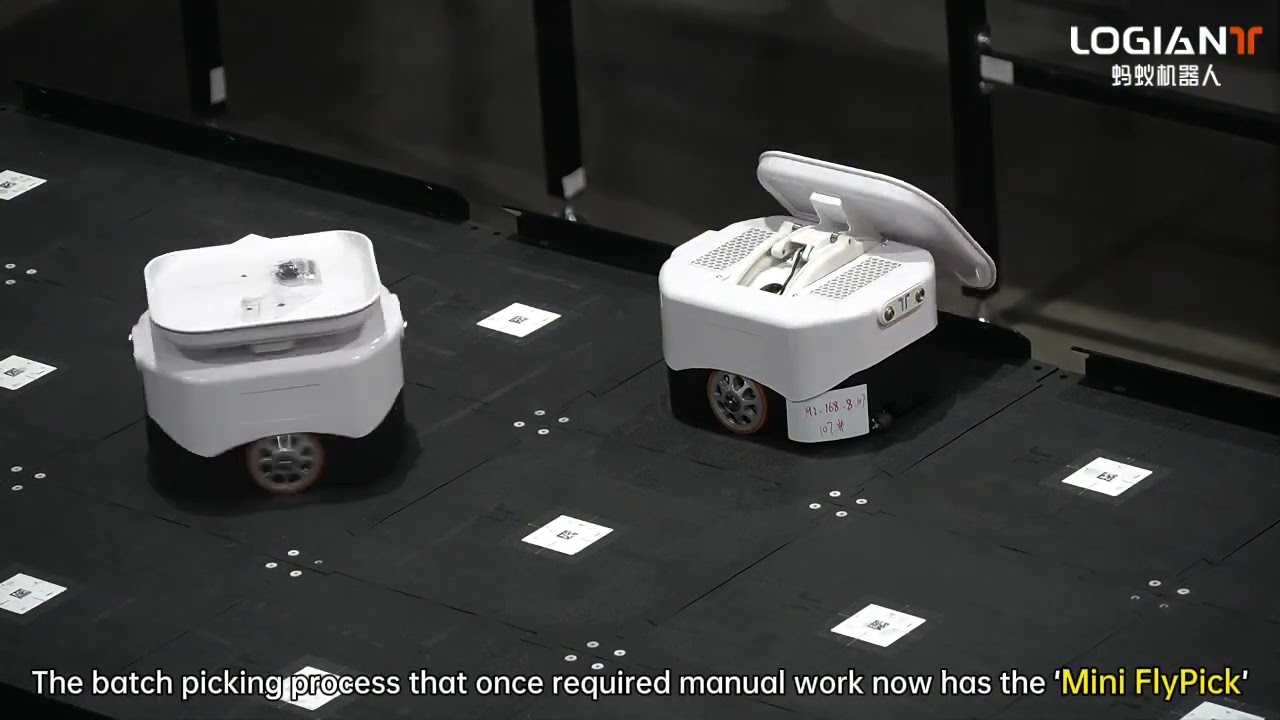
Mini FlyPick Robot: Compact High-Speed Sorting AMR
Others

Split Tray (Bomb Bay) Sorter Compilation: Versatile High-Speed Sortation
Others
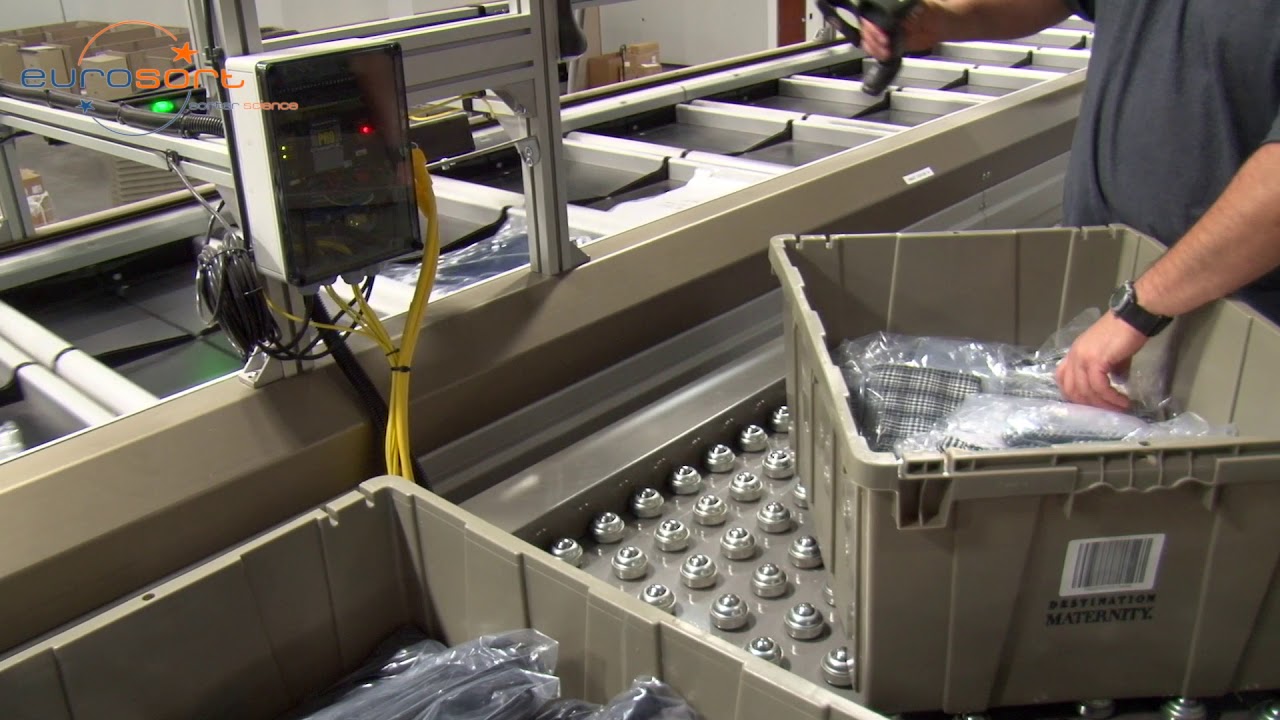
Patented Dual Split Tray (Bomb Bay) Sorter with Batch Induction
Others