CVP Impack & CVP Everest: Automated Fit-to-Size Packaging Systems
Quick Facts
Technology Performance Metrics
⭐Key Features
Benefits
Applications
Detailed Information
Technology Overview
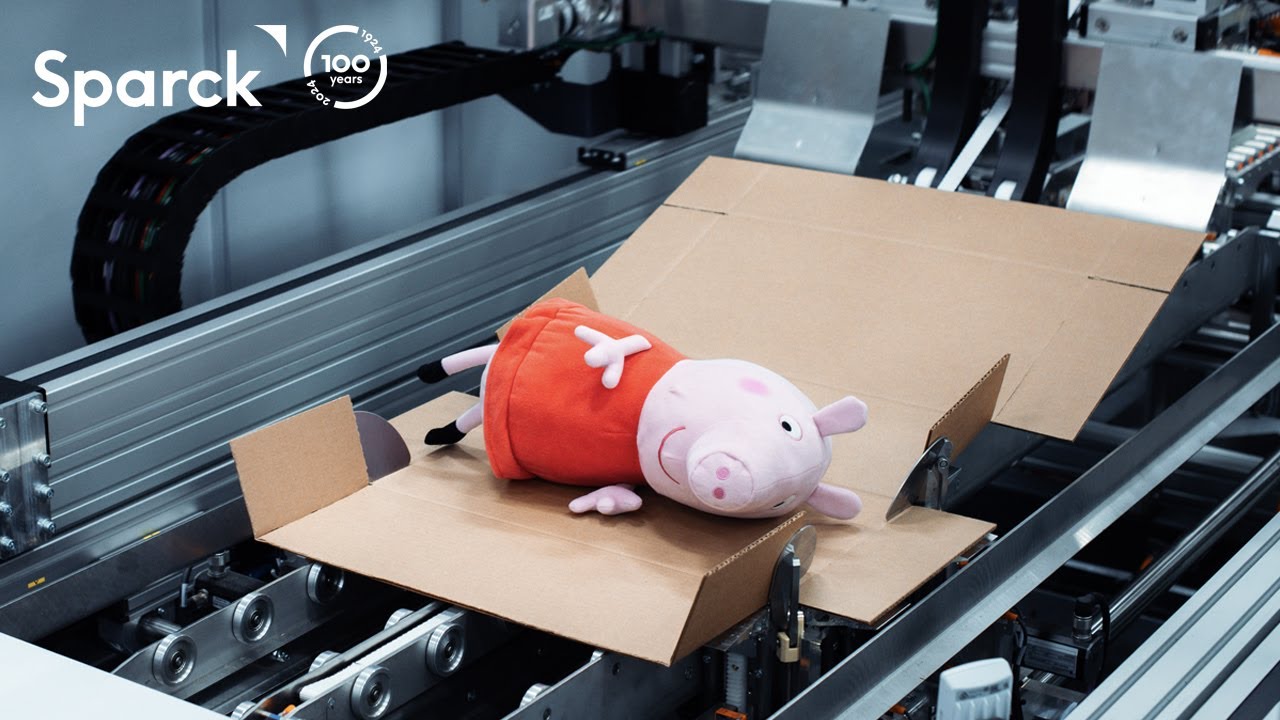
The CVP Impack and CVP Everest automated packaging systems from Sparck Technologies represent a transformative approach to the final step of order fulfillment: boxing. These fit-to-size automation systems are engineered to address the twin challenges of packaging inefficiency and rising shipping costs in modern logistics. By creating custom-sized corrugated boxes on-demand for each order, they eliminate the wasteful practice of using standard-sized boxes with excessive void fill. Designed for high-throughput environments like e-commerce, 3PL, and wholesale distribution, these systems combine speed, precision, and sustainability to optimize the last meter of the supply chain, backed by a century of engineering heritage since the company's founding in 1924.
How It Works
Core Principles
The core principle is on-demand, automated box making. The system measures the dimensions of the order contents, calculates the optimal box size to minimize empty space, cuts and erects a corrugated box from a roll or sheet of board to that exact size, places the items inside, and seals it—all within seconds.
Key Features & Capabilities
The on-demand creation of right-sized boxes is the defining capability, which directly drives material savings and shipping cost reduction. The extremely high throughput of up to 1100 orders per hour positions it as a central packing engine for large-scale operations. The systems are built with robust construction for proven uptime, ensuring reliability in 24/7 logistics environments. A key operational feature is their seamless integration capability into existing warehouse workflows without major disruption. The attractive economic model, becoming profitable from around 600 boxes daily, makes automation accessible to a broader range of operations.
Advantages & Benefits
The most compelling benefit is the direct reduction in shipping costs by up to 50%, achieved by minimizing dimensional weight charges and cardboard use. This leads to a rapid return on investment. The systems dramatically reduce packaging waste, supporting corporate sustainability goals and reducing material expenses. Full automation significantly lowers labor costs and dependencies associated with manual packing stations. The high speed and reliability enable operations to scale efficiently to meet peak demands. By providing consistent, professional packaging, they also enhance the customer unboxing experience.
Implementation Considerations
Implementing such a system requires analysis of order profiles and daily volumes to ensure the throughput (up to 1100/hr) and minimum economic threshold (~600/day) are aligned with business needs. Seamless integration with upstream picking/sortation and downstream shipping systems is crucial for smooth material flow. The physical footprint and utility requirements (power, compressed air, network) of the machine must be accommodated. Product compatibility in terms of size, weight, and fragility should be verified. While automated, ongoing maintenance and technical support are vital to maintain the promised uptime.
Use Cases & Applications
Ideal For
These systems are ideal for medium to very high-volume e-commerce retailers, omnichannel fulfillment centers, 3PLs, and wholesalers who ship a high number of parcel-sized orders and are burdened by high shipping costs and packaging waste.
Performance Metrics
The content provides specific performance and economic data:
- Throughput: Up to 1100 orders per hour.
- Cost Savings: Reduces shipping costs by up to 50%.
- Economic Threshold: Becomes profitable from approximately 600 boxes per day.
- Uptime: Proven reliability for uninterrupted performance.
Conclusion
The CVP Impack and CVP Everest automated packaging systems from Sparck Technologies offer a powerful, data-driven solution to one of logistics' most persistent cost centers: inefficient packaging. By automating the creation of right-sized boxes, they deliver immediate and substantial savings in shipping costs and materials, while also advancing sustainability goals. For e-commerce, 3PL, and distribution operations looking to gain a competitive edge through smarter, faster, and greener fulfillment, investing in fit-to-size automation represents a strategic upgrade with a clear and rapid return on investment. Their proven reliability and integration-friendly design make them a dependable choice for businesses aiming to future-proof their packaging operations.