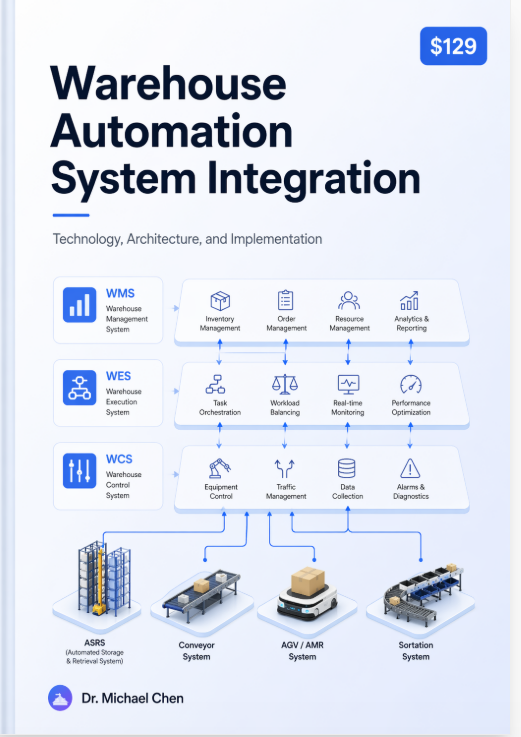
Compact Box Conveyor with Lateral Transfer: Case Transport Solutions
Quick Facts
Technology Performance Metrics
⭐Key Features
Benefits
Applications
Detailed Information
Technology Overview
Compact box conveyor systems with lateral transfer capabilities are specialized solutions designed to address specific challenges in material handling lines, particularly in manufacturing and packaging. Standard conveyors transport items in a straight line, but certain processes—like applying a label to a specific side of a box, or feeding machinery that requires a particular presentation—demand controlled orientation. Furthermore, factory layouts often have spatial limitations that prevent simple, long conveyor runs. This technology combines precise transport with the ability to move boxes sideways (laterally) within a compact footprint, solving both orientation and space problems in one integrated system.
How It Works
Core Principles
The system operates on the principle of controlled conveyance with integrated directional change. It transports boxes along a primary path while incorporating a mechanism to shift them laterally (sideways) without rotating them, thus preserving their original orientation relative to the direction of travel. This is often achieved through lift-and-transfer modules, sliding plates, or cross-moving belts integrated into the conveyor line.
Key Features & Capabilities
The primary feature is its ability to maintain consistent box orientation during transport. This is critical for applications like labeling the leading edge of a box and ensuring that orientation is preserved for downstream processes. This is achieved by incorporating lateral transfer functionality that moves the box sideways without turning it. Crucially, the entire system is designed to operate within tight space constraints, making it a viable solution for retrofitting into existing crowded production lines. It is a custom-engineered solution built to address the specific interplay of orientation control and spatial limitations presented by the customer's unique application.
Advantages & Benefits
The system directly enables accurate leading edge labeling by controlling orientation, ensuring labels are applied correctly and consistently. It effectively solves complex material flow problems in space-limited environments by performing necessary lane changes or merges within a minimal footprint. As a custom-designed solution, it provides a targeted and efficient resolution to specific operational bottlenecks that off-the-shelf conveyor components cannot address.
Implementation Considerations
As a custom solution, it requires thorough analysis of the specific process requirements, box dimensions, weights, and required throughput. Integration with existing upstream and downstream equipment (labelers, scanners, packers) must be carefully planned. The custom nature may lead to higher initial engineering and implementation costs compared to standard conveyor sections.
Use Cases & Applications
Ideal For
This solution is ideal for packaging lines, manufacturing facilities, and distribution centers where products in cases or boxes must be presented in a specific orientation for automated processing (labeling, scanning, coding, packing) but layout constraints prevent simple linear conveyor arrangements.
Conclusion
The compact box conveyor with lateral transfer is an excellent example of targeted engineering solving distinct material handling challenges. For operations struggling with the dual constraints of needing precise product orientation and limited floor space, this type of custom-configured system offers an effective pathway to automation and process improvement. While it represents a specialized investment, the gains in label accuracy, process reliability, and spatial efficiency can deliver significant operational benefits and a strong return on investment by eliminating manual handling and rework.
Vendor
OthersRelated Technologies
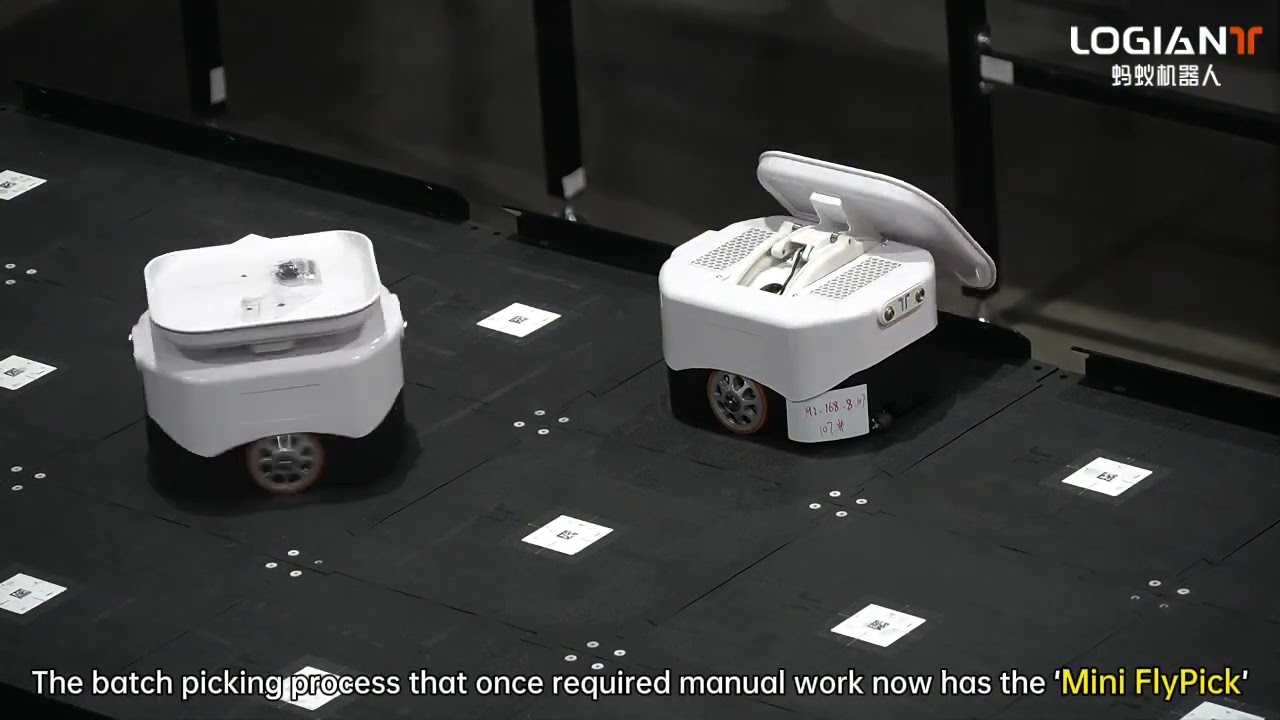
Mini FlyPick Robot: Compact High-Speed Sorting AMR
Others

Split Tray (Bomb Bay) Sorter Compilation: Versatile High-Speed Sortation
Others
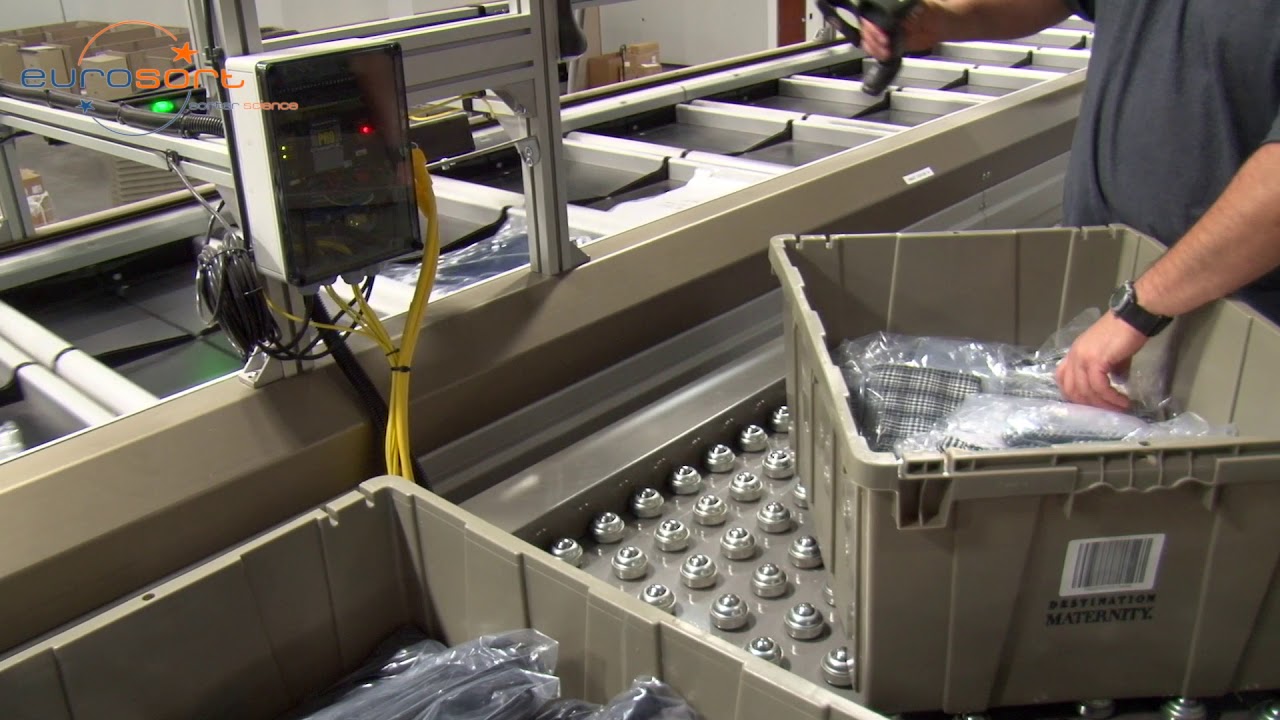
Patented Dual Split Tray (Bomb Bay) Sorter with Batch Induction
Others