Industrial Warehousing
Industrial warehousing supports heavy equipment manufacturing and distribution, handling bulk materials, project-based logistics, and B2B fulfillment with specialized equipment for heavy loads, hazardous materials, and custom orders.
Industrial MRO & Parts Distribution
Operations Profile
- •Massive SKU count (50K-500K+)
- •Slow-moving inventory
- •Urgent order requirements
- •Small order sizes (1-5 items)
Key Challenges
- •Downtime costs (critical parts)
- •Obsolescence management
- •Variable part sizes/weights
- •Long-term storage needs
Storage Technologies
- •Mini-load AS/RS (small parts)
- •Vertical lift modules
- •Carousel systems
- •Cantilever racking (long items)
Picking Technologies
- •Goods-to-person systems
- •Pick-to-light
- •Voice picking
- •Mobile workstations
Inventory Optimization
- •ABC analysis & slotting
- •Demand forecasting
- •Min/max replenishment
- •Obsolescence tracking
Software Integration
- •WMS with part lookup
- •ERP integration
- •E-commerce platform
- •Customer portal
🌐 Industry Overview
Industrial warehousing serves manufacturers and distributors of heavy equipment, machinery, bulk materials, and industrial supplies. This sector handles everything from small MRO (maintenance, repair, and operations) parts to massive pumps, motors, and machinery weighing tons. The defining characteristic is diversity—facilities must accommodate tiny fasteners and enormous equipment, standard catalog items and custom-engineered products, routine replenishment and emergency expedited orders.
Project-based logistics add complexity. Many industrial customers order complete material packages for specific projects—construction sites, plant expansions, equipment installations. These project orders require coordinating hundreds or thousands of line items, often with specific delivery dates tied to construction schedules. Materials must be allocated to projects, staged together, and delivered as complete sets. Missing a single component can delay an entire project.
🏭 Warehouse Operations Characteristics
Industrial warehouses combine characteristics of distribution centers and manufacturing support facilities. Receiving operations handle diverse inbound shipments—full truckloads of bulk materials, LTL shipments of equipment, international containers of imported products. Heavy equipment requires specialized unloading with overhead cranes, heavy-duty forklifts, or even mobile cranes for the largest items. Quality inspection verifies certifications and specifications critical for industrial applications.
Storage is organized by product characteristics and handling requirements. Heavy-duty racking holds industrial equipment and machinery with load capacities far exceeding retail distribution. Cantilever racking stores long materials like pipes, beams, and bars. Bulk storage areas hold raw materials in drums, bags, and supersacks. Hazardous materials are segregated in compliant storage zones with proper ventilation, containment, and safety equipment. Outdoor yards store large equipment and materials that don't require weather protection.
Order fulfillment varies dramatically by customer and order type. Project kitting assembles complete material sets for specific jobs, often requiring custom packaging and crating for job site delivery. Will-call operations support customers who pick up orders directly. Emergency MRO orders require rapid fulfillment—often same-day or next-day—to minimize equipment downtime at customer facilities. Export orders need specialized packaging and documentation for international shipping.
⚠️ Key Challenges
Heavy material handling creates safety and equipment challenges. Industrial products often weigh hundreds or thousands of kilograms, requiring specialized lifting equipment, robust storage systems, and careful handling procedures. Worker safety is paramount—injuries from heavy material handling are severe and costly. Equipment must be maintained rigorously—failures can cause accidents and damage expensive products.
Project coordination requires sophisticated systems and processes. Materials for a single project may arrive from multiple suppliers over weeks or months. They must be received, inspected, allocated to the project, and held until all items are available for shipment. Partial shipments may be required as construction progresses. Tracking project status, managing material allocation, and coordinating deliveries with construction schedules demands robust project management capabilities.
Hazardous materials compliance is complex and critical. Industrial facilities often handle chemicals, flammable materials, and other dangerous goods requiring strict regulatory compliance. Storage must meet safety codes with proper segregation, ventilation, and containment. Shipping requires specialized documentation, packaging, and carrier certification. Non-compliance risks fines, shutdowns, and liability for accidents.
🤖 Suitable Technologies
Storage Solutions: Heavy-duty AS/RS systems handle large equipment and materials with specialized lifting mechanisms designed for multi-ton loads. Cantilever racking stores long materials efficiently with easy access. Drive-in racking provides high-density storage for bulk materials with similar SKUs. Automated yard management systems track outdoor inventory with GPS and RFID, providing visibility into large equipment stored in yards.
Transport Systems: Overhead cranes move heavy equipment throughout the facility safely and efficiently. Heavy-duty AGVs transport pallets and equipment weighing thousands of kilograms. Forklift automation with guidance systems improves safety and productivity for heavy material handling. Conveyor systems move bulk materials between receiving, storage, and shipping areas.
Tracking and Management: RFID systems track large assets throughout the facility and yard. Yard management systems provide real-time visibility into outdoor inventory locations. Project management software allocates materials to specific jobs and tracks project status. Hazmat compliance systems manage regulatory requirements, generate required documentation, and ensure proper handling.
Software Systems: WMS with project-based inventory management allocates materials to jobs and tracks project completion. ERP integration synchronizes orders, procurement, and inventory across the business. Transportation management systems (TMS) optimize logistics for LTL, FTL, and specialized transport. Compliance systems manage hazmat documentation, export paperwork, and regulatory reporting.
🎯 Technology Selection Criteria
Heavy-duty capability is essential. Automation must handle the actual loads in your operation—verify weight capacities, lifting mechanisms, and structural design. General warehouse automation designed for retail distribution is not suitable for industrial applications. Request references from similar heavy industrial operations and visit installations to observe performance.
Project management functionality is critical for project-based businesses. Systems should support material allocation to projects, project status tracking, and coordinated shipping of complete material sets. Integration with customer project management systems may be required. This functionality is specialized—verify vendor experience with project-based logistics.
Hazmat compliance capabilities are non-negotiable if handling dangerous goods. Systems must support regulatory requirements for storage, handling, and shipping. This includes proper segregation rules, documentation generation, and carrier certification verification. Non-compliance risks are too high to accept systems without proven hazmat functionality.
💡 Implementation Considerations
Start with the highest-volume, most standardized operations—typically MRO parts distribution or standard catalog items. These operations have clearer ROI and less complexity than project-based logistics or heavy equipment handling. Prove automation reliability with simpler operations before tackling complex project coordination or specialized heavy material handling.
Design for safety from day one. Heavy material handling is inherently dangerous—automation should reduce risk, not introduce new hazards. Implement comprehensive safety systems including barriers, sensors, emergency stops, and clear safety zones. Train all personnel on safety procedures and conduct regular safety audits. The cost of accidents far exceeds investment in safety systems.
Plan for outdoor operations if handling large equipment. Many industrial products are too large for indoor storage or don't require weather protection. Implement yard management systems to track outdoor inventory. Design traffic patterns for safe movement of heavy equipment. Consider weather protection for sensitive items and work areas.
Integrate with customer systems for project-based operations. Many industrial customers use project management or ERP systems to track materials for their projects. Integration enables automated order placement, real-time status updates, and coordinated deliveries. This integration is complex but provides significant competitive advantage through improved customer service.
Change management focuses on safety and precision. Industrial operations demand careful attention to specifications, certifications, and handling requirements. Workers need training on heavy material handling safety, hazmat procedures, and project coordination. Plan for 12-18 months from project start to full operation for significant automation—longer than retail distribution due to specialized equipment and safety requirements.
Related Technologies (6)
Pick-to-Light Systems: Accuracy and Efficiency for Manufacturing
byBanner Engineering
Monorail Systems for High-Volume Commercial Laundry
byOthers
Nipper AGV: Compact, High-Capacity Pallet Transport AGV
byNipper
Cantilever Racking Systems: Storage for Long, Bulky & Heavy Items
byAtlantic Rack
Modula Horizontal Carousel (HC): Goods-to-Man Picking Solution
byModula
Automated Vertical Storage Solutions
byModula
Related Topics
Automotive Warehousing
Automotive warehousing supports manufacturing with just-in-sequence delivery, heavy component handling, and complex supply chain coordination, managing thousands of parts per vehicle across multiple variants and supplier networks.
Electronics Manufacturing Warehousing
Electronics manufacturing warehousing handles thousands of small, high-value components requiring ESD protection, cleanroom environments, and precise traceability, supporting high-mix production with rapid component obsolescence cycles.
Manufacturing & Industrial Warehousing
Manufacturing warehousing supports production operations with just-in-time material delivery, requiring tight integration with production systems and flexible automation that adapts to changing manufacturing schedules.
Manufacturing & Industrial Segment Comparison
Understanding the differences between manufacturing and industrial segments helps in selecting the right production support technologies and material handling strategies for your specific operation.
| Aspect | Manufacturing | Automotive | Electronics | Industrial |
|---|---|---|---|---|
| Primary Focus | Production line support, JIT delivery | Just-in-sequence assembly support | Component management, high-mix production | Project-based logistics, heavy equipment |
| Material Type | Raw materials, components, WIP | Heavy parts, engines, body panels | Small components, microchips, PCBs | Heavy equipment, bulk materials, machinery |
| SKU Complexity | Medium (1,000-10,000) | Very High (10,000-50,000+ per model) | Extremely High (10,000-100,000+) | Medium-High (5,000-20,000) |
| Handling Requirements | Mixed: Light to heavy | Heavy-duty, specialized equipment | ESD-safe, cleanroom, delicate | Heavy-duty cranes, forklifts |
| Storage Density | Medium-high density | Low-medium (heavy items) | Very high (small components) | Low (large equipment) |
| Delivery Method | JIT to production lines | JIS (just-in-sequence) | Kitting, SMT feeder prep | Project kitting, job site delivery |
| Inventory Turns | 12-20x per year | 20-30x per year (JIS) | 8-15x per year | 4-8x per year |
| Lead Time | Hours to days | Minutes to hours (JIS) | Days to weeks | Weeks to months |
| Special Requirements | MES integration, flexibility | Sequencing accuracy, heavy handling | ESD protection, humidity control | Hazmat compliance, outdoor storage |
| Automation Level | Medium-High (50-70%) | High (60-80%) | Very High (70-90%) | Medium (40-60%) |
| Key Technologies | AGV, AS/RS, WMS, MES | Sequencing systems, tugger trains, RFID | VLM, carousels, vision systems, dry storage | Cranes, heavy AGV, yard management |
| Quality Control | In-process inspection | Zero-defect, supplier audits | Vision inspection, counterfeit detection | Certification verification |
| Traceability | Batch and lot tracking | Serial number, VIN tracking | Component genealogy, serial tracking | Project allocation, asset tracking |
| Primary Challenge | Production schedule changes | Sequencing accuracy, model mix | Component obsolescence, ESD | Heavy material safety, project coordination |
| Investment Priority | MES integration, AGV | Sequencing automation, heavy handling | High-density storage, vision systems | Heavy-duty equipment, yard management |
Manufacturing
Automotive
Electronics
Industrial
Key Insights
Manufacturing warehouses serve as the backbone of production operations, providing just-in-time material delivery to assembly lines. The focus is on flexibility and tight integration with MES systems to respond rapidly to production schedule changes.
Automotive operations demand the highest precision with just-in-sequence delivery, where parts must arrive in exact assembly order. Heavy material handling and zero-defect quality requirements make this one of the most demanding warehouse environments.
Electronics warehousing manages the highest SKU complexity with tens of thousands of small components requiring ESD protection and humidity control. Component obsolescence and counterfeit prevention are critical challenges in this fast-paced industry.
Industrial operations handle the heaviest materials and equipment, often supporting project-based logistics with custom kitting and job site delivery. Hazmat compliance and specialized transport requirements add complexity to these B2B-focused operations.
Quick Navigation
Overview
Related Projects(4)
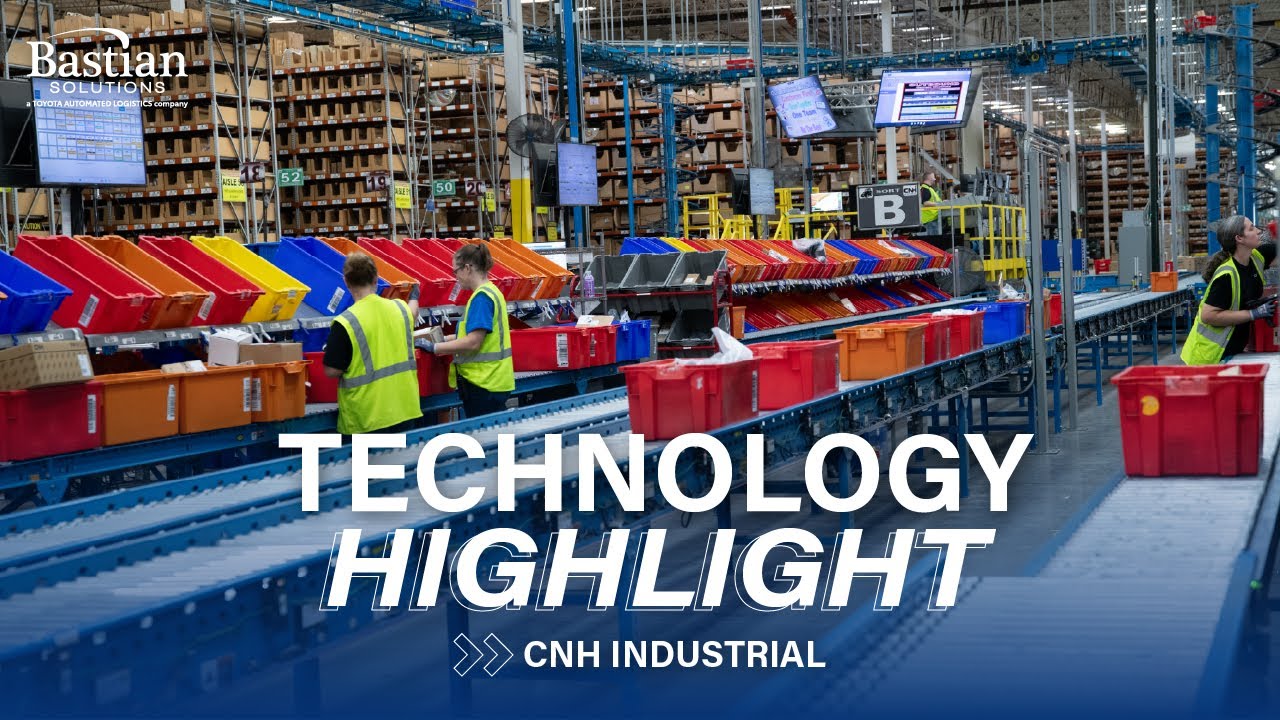
CNH Industrial Indianapolis Distribution Center
Bastian Solutions
Balluff Inc. Sensor Solutions Automated Warehouse
Kardex
Gerrie Electric Ontario Distribution Center
Bastian Solutions
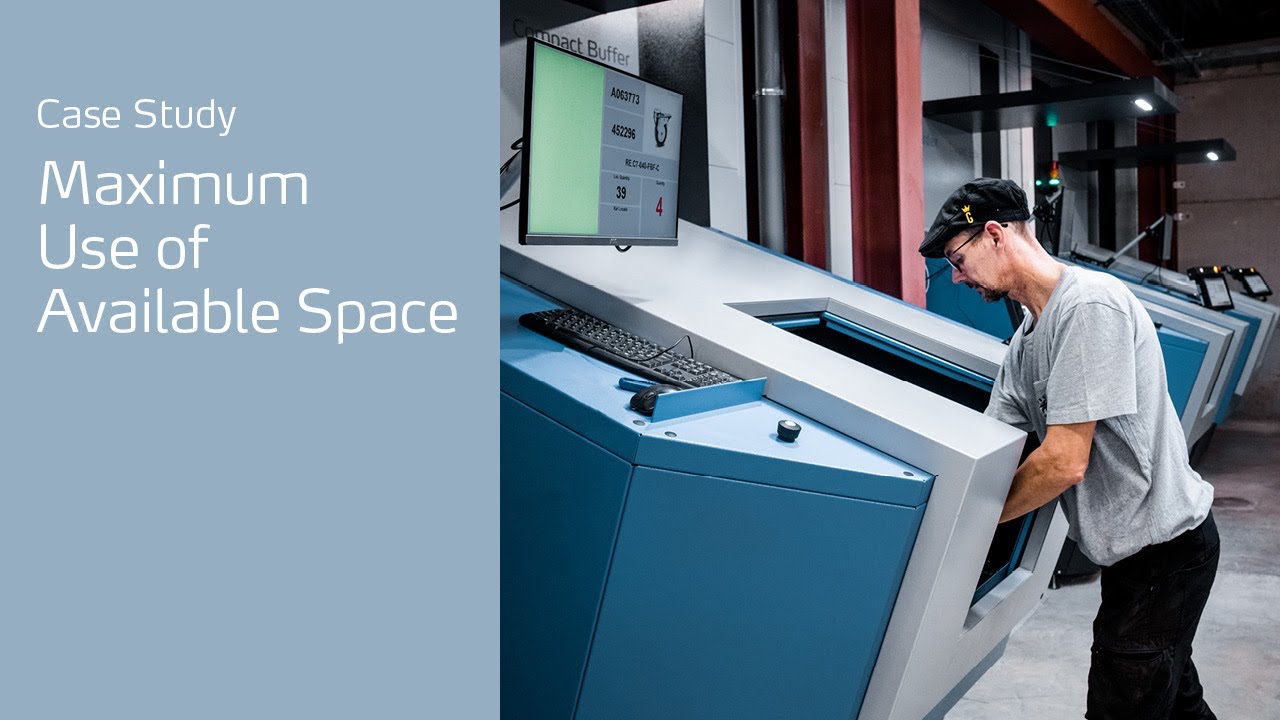
SHAKE-HAND - Belgian Standard Elements Automated Storage
Kardex